
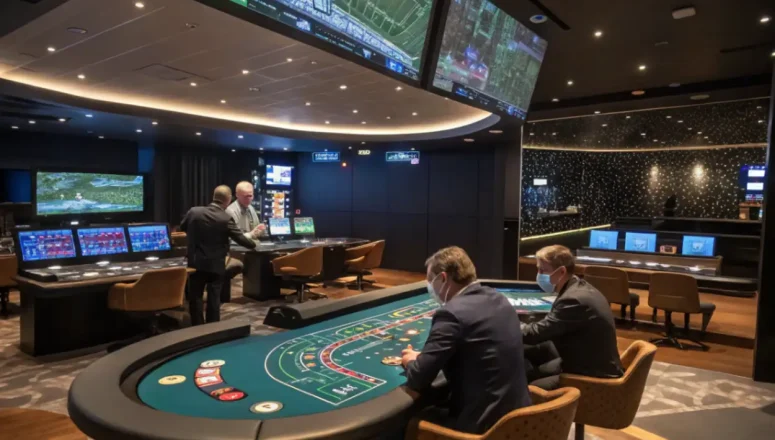
Over the past few years, online casinos have evolved from simple digital slot platforms into complex interactive ecosystems where users feel not just like players, but active participants in a full-fledged gaming experience. One of the key milestones in this evolution has been the emergence of live casinos and hybrid games — formats that combine streaming technologies, elements of land-based casinos, and classic online game mechanics. These formats have fundamentally changed how online gambling is perceived, significantly increasing immersion, trust, and user engagement.
Today, live casinos and hybrid formats are no longer seen as optional additions, but as a strategic direction for the entire online gambling industry. They respond to the core demand of modern players: realism, transparency, and interactivity. This article takes an in-depth look at how live casinos work, how hybrid games differ from traditional live formats, which technologies power them, and why they represent a new level of interaction in online casinos.
What Live Casinos Are and Why They Became a Trend
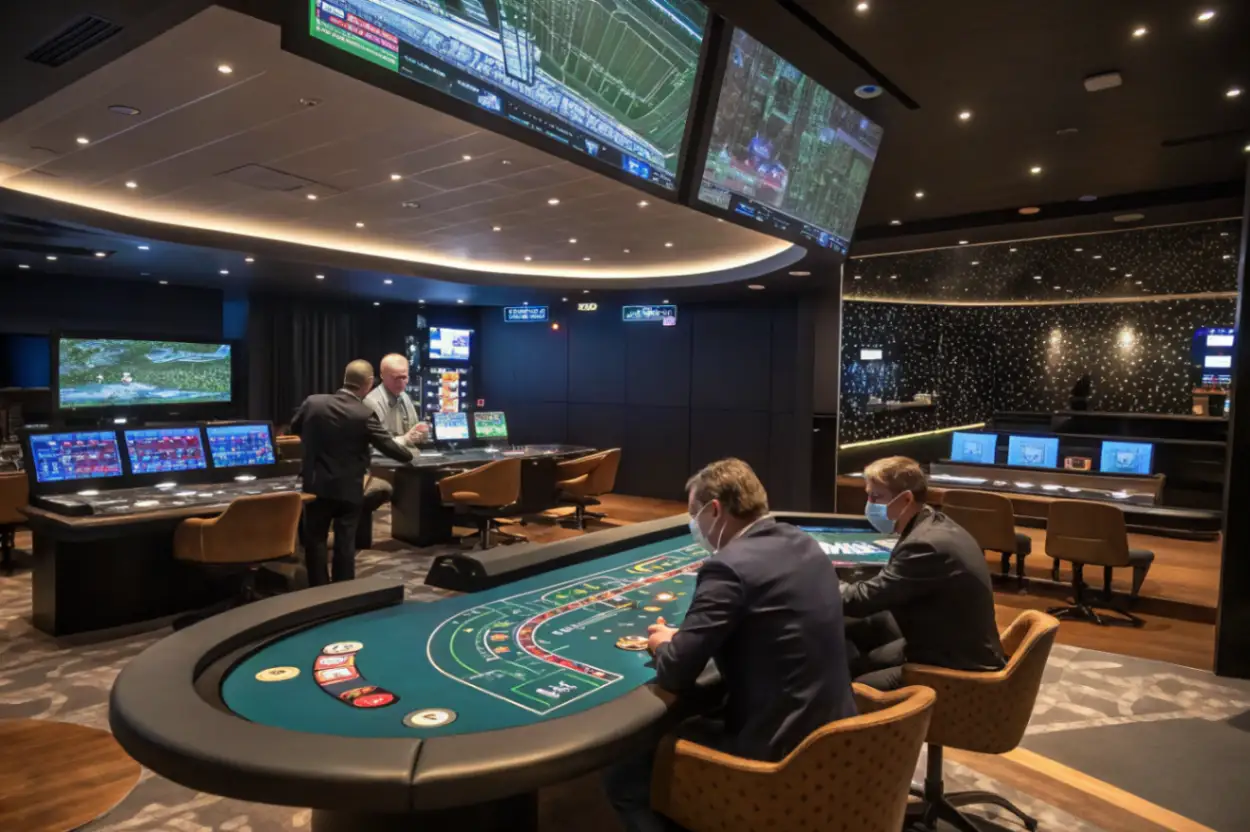
Live casinos are an online gaming format where gameplay takes place in real time with a live dealer or host, streamed directly to players via video. Bets are placed online, but all key actions — card dealing, roulette spins, result announcements — occur physically in a professional studio or real casino environment. This format emerged as a natural response to player skepticism toward fully automated games and random number generators.
The growing popularity of live casinos is closely tied to changes in player behavior. Users now spend more time online, yet often miss the social interaction and emotional atmosphere associated with land-based casinos. Live casino games bridge this gap by recreating the feeling of sitting at a real table. Dealers can interact with players via chat, respond to messages, and guide the game in real time, making the experience feel authentic and transparent.
From the operator’s perspective, live casinos have become a powerful retention tool. Average session times in live games are significantly higher than in standard slots, while player loyalty increases due to emotional attachment to the format. As a result, live casinos are now widely positioned as a premium product that enhances the image of a modern, technologically advanced online casino.
Types of Live Casinos and Their Key Features
Live casinos are not a single, uniform format. Instead, they include several distinct game types designed to appeal to different player segments. Understanding these variations helps clarify why live casinos have achieved such broad popularity.
Before comparing them, it’s important to note that each live casino type serves a specific purpose — from faithfully recreating a traditional casino atmosphere to offering fast-paced, simplified gameplay optimized for mobile users.
| Live Casino Type | Key Characteristics | Target Audience |
|---|---|---|
| Classic Live Tables | Real dealers, traditional rules, minimal interface | Players who prefer land-based casino realism |
| Live Game Shows | Hosts, bonus rounds, unconventional mechanics | Entertainment-focused players |
| Live Fast Games | Simplified rules, rapid rounds | Mobile-first users |
| VIP Live Casinos | High limits, private tables | High-stakes players |
As the table illustrates, live casinos effectively cover nearly all player segments. Classic live tables attract traditionalists who value familiar rules and authentic ambiance. Live game shows, on the other hand, focus on entertainment and spectacle, often resembling television game shows and appealing strongly to younger audiences.
This diversity allows online casinos to build flexible product portfolios and retain players with different preferences, without relying on a single format.
Hybrid Games as the Evolution of Live Formats
Hybrid games represent the next stage in the evolution of live casinos, blending live-streamed gameplay with digital mechanics commonly found in online slots. Unlike traditional live games, where the outcome depends almost entirely on the dealer’s actions, hybrid formats integrate animations, random events, and additional interactive features.
The shift toward hybrid games was driven by the desire to increase pacing and gameplay variety. Players are no longer limited to watching the dealer; they can interact with the interface, activate bonuses, and participate in extra rounds. This creates a more dynamic and engaging experience.
Before looking at specific examples, it’s worth highlighting the key elements that distinguish hybrid games from classic live casino formats. These components shape the unique player experience and explain the rapid growth in popularity of hybrid titles:
- combination of live hosts and digital animations.
- bonus rounds independent of the main game flow.
- expanded betting options and multipliers.
- visual effects that enhance emotional engagement.
By incorporating these elements, hybrid games have come to be perceived not merely as gambling products, but as interactive entertainment shows. Players remain engaged even between rounds, which positively impacts both session length and overall involvement.
In this sense, hybrid games can be seen as the industry’s response to player demand for richer, more technologically advanced live casino experiences.
Technologies Behind Live Casinos and Hybrid Games
The development of live casinos and hybrid games has been made possible by a combination of advanced technologies working seamlessly behind the scenes. These formats rely not on a single innovation, but on an entire ecosystem of technical solutions.
At the core is high-quality video streaming with minimal latency. Modern live casinos use adaptive streaming technologies that automatically adjust video quality based on the player’s internet connection. This is particularly important for mobile users, for whom stability and responsiveness directly affect comfort and usability.
Equally critical is the software infrastructure. Hybrid games require complex server-side logic that synchronizes real dealer actions, random digital events, and user interface elements in real time. Any delay or desynchronization could break immersion, so precision is essential.
Security technologies also play a vital role. Live casinos implement video monitoring systems, automated result verification, and multi-layer data encryption. These measures increase player trust and reduce the risk of manipulation, which is especially important in a highly competitive online gambling market.
Examples of Popular Live Casinos and Hybrid Games
To better understand how live casinos and hybrid games work in practice, it’s useful to examine some popular examples that illustrate how technology and game design merge into a cohesive product.
One well-known example is live roulette with multipliers. These games use a real roulette wheel, but certain numbers or sectors are enhanced with digital multipliers that randomly increase payouts. This approach preserves classic gameplay while introducing an element of surprise and higher potential returns.
Another standout category is live game shows featuring wheels of fortune and interactive bonus mechanics. A host leads the game, communicates with players, and manages the flow, while outcomes are determined through a mix of physical actions and digital algorithms. The result closely resembles a television game show, where players are both spectators and participants.
Hybrid card games are also worth mentioning. In these titles, cards are dealt live, but additional features — such as side bets, insurance options, and bonus mini-games — are integrated digitally. This format is especially popular among players seeking a balance between traditional casino games and modern innovation.
How Live Formats Influence Player Behavior
The introduction of live casinos and hybrid games has significantly changed player behavior in online gambling. Data shows that users who regularly engage with live formats tend to demonstrate higher engagement levels and stronger loyalty to specific platforms. This is driven not only by emotional appeal, but also by a greater sense of control over the game.
Live formats also affect perceptions of fairness. Seeing a real dealer and physical gaming equipment reduces doubts about game integrity. This lowers psychological barriers for new players and attracts users who previously avoided online gambling due to trust concerns.
Hybrid games further encourage active participation. Additional bets, bonus rounds, and interactive features motivate players to experiment with strategies and remain in-game longer. For operators, this results in increased revenue and more detailed insights into player behavior patterns.
The Future of Live Casinos and Hybrid Games
The future of live casinos and hybrid games appears highly promising. With the advancement of virtual and augmented reality technologies, these formats may soon reach an entirely new level of immersion. Early experiments with VR live casinos already allow players to navigate virtual gaming halls and interact with dealers in 360-degree environments.
Personalization is another major development path. In the future, hybrid games may adapt to individual player preferences, offering customized bonuses, interfaces, and gameplay scenarios. This would make each session more unique and increase the long-term value of players for casino platforms.
In the long run, live casinos and hybrid games have the potential to become the dominant format in online gambling, gradually replacing traditional slot-based experiences. Their ability to combine emotional engagement, technological sophistication, and transparency makes them a cornerstone of the industry’s future strategy.
Conclusion
Live casinos and hybrid games have evolved beyond a passing trend to become a fundamental stage in the development of online gambling. By merging the best elements of land-based casinos with advanced digital technologies, they offer players a new level of interaction and immersion. Real dealers, interactive mechanics, and high transparency have created a format that aligns perfectly with modern player expectations.
Given the rapid pace of technological progress, live formats are likely to continue evolving and becoming more sophisticated. For online casinos, this means investing in streaming quality, security, and innovative mechanics; for players, it means access to increasingly realistic and engaging gaming experiences.
Live formats really changed the way I play — it’s not just clicking buttons anymore, you actually feel involved in the game. Especially with hybrid stuff, where you get both the live dealer vibe and extra features, sessions don’t feel repetitive at all. I’ve seen similar feedback in places like winzter avis, where players talk about that mix of realism and fast gameplay. It definitely makes it easier to stay engaged compared to classic slots.