
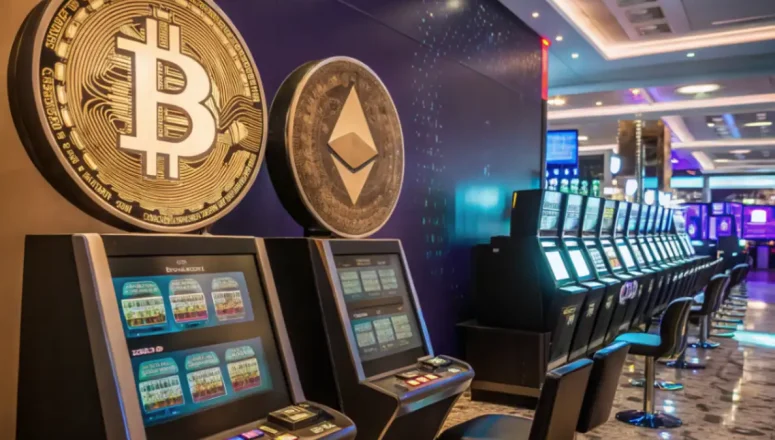
The rapid expansion of blockchain technology continues to reshape the online gambling industry, positioning Bitcoin and Ethereum casinos among the most dynamic digital sectors worldwide. As adoption accelerates and crypto utility deepens, 2026 is poised to become a defining year for crypto-based iGaming platforms.
This article explores future market growth, evolving security standards, regulatory expectations, user-experience innovations, and the long-term economic impact of Bitcoin and Ethereum casinos.
Rising Market Adoption and the Economics Behind Crypto Casinos
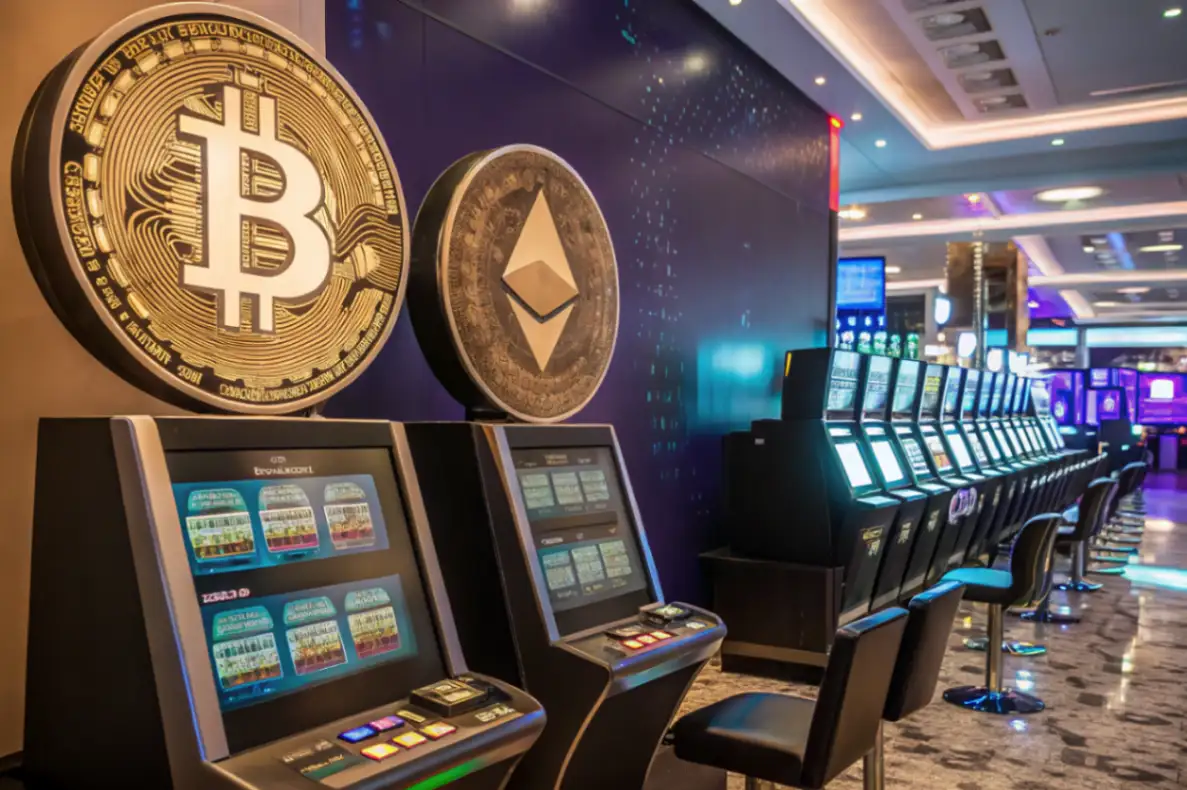
The shift toward decentralized financial systems has fueled consistent growth for Bitcoin and Ethereum casinos. Their appeal stems from fast transactions, enhanced privacy, borderless access, and provably fair gaming frameworks. As institutional investors expand their involvement in Web3 ecosystems, liquidity and token stability contribute to the legitimization of crypto gambling platforms.
One of the strongest market drivers for 2026 will be the surging number of players migrating from traditional online casinos to decentralized ones due to lower fees and transparent smart-contract infrastructure. Bitcoin remains the preferred asset for store-of-value gamblers, while Ethereum dominates ecosystems where decentralized applications and gaming innovations thrive. Combined, these networks create a dual-asset foundation that is expected to accelerate the global crypto-casino market at an annual growth rate exceeding current projections.
Technological Innovations Transforming Bitcoin and Ethereum Casinos
Advancements in blockchain scaling solutions will significantly enhance crypto-casino performance in 2026. Ethereum’s layer-2 networks, such as Optimistic and ZK rollups, are reducing gas fees and easing network congestion, enabling smoother gameplay and instant micro-transactions. Meanwhile, Bitcoin’s ongoing development through the Lightning Network is beginning to reshape high-speed payments, granting casinos the ability to support ultrafast deposits and withdrawals.
A central theme of future innovation involves the integration of AI-driven personalization, automated risk-scoring, and advanced behavior-monitoring systems that reduce fraud and improve player retention. These tools help casinos build safer, more transparent environments while strengthening compliance efforts. As gaming platforms embed cross-chain technology and Web3 identity solutions, interoperability will allow players to navigate multiple ecosystems using a single crypto wallet, unlocking a frictionless and highly adaptive gambling experience.
As technological evolution accelerates, it becomes easier to identify the three dominant innovation vectors shaping the near-term future of decentralized gambling. Below is a smoothly integrated and contextually justified list summarizing these factors.
Key Innovation Drivers for 2026
The future of Bitcoin and Ethereum casinos by 2026 will be strongly influenced by:
- Expanding use of multi-chain smart contracts enabling universal gaming liquidity.
- Growth of AI-powered fairness verification and predictive security analytics.
- Adoption of instant-settlement payment layers supporting cross-border micro-bets.
These advancements collectively reduce operational friction, empower players with higher transparency, and encourage regulated markets to embrace decentralized gambling as a sustainable digital economy component.
Security, Regulation, and Trust in a Decentralized Casino Environment
Security remains a defining priority for Bitcoin and Ethereum casinos, especially as mainstream adoption increases. With more users storing value in digital wallets, hackers are incentivized to target vulnerable platforms. To counter emerging threats, casinos are transitioning toward multi-signature wallets, hardware-protected funds, continuous penetration testing, and decentralized auditing protocols. These systems create a resilient structure that reduces single points of failure and enhances trust.
Regulation will be equally influential in determining the pace of market expansion. By 2026, several countries are expected to introduce unified compliance frameworks for crypto gaming, including mandatory smart-contract verification, transparent payout algorithms, and stricter player-protection standards. While some regions may initially adopt restrictive policies, the global trend leans toward regulated integration rather than prohibition. Traders, investors, and players alike view regulated crypto casinos as safer, more stable environments.
Below is a table illustrating the expected regulatory and security evolution for Bitcoin and Ethereum casinos, accompanied by explanation.
Projected Security and Regulatory Developments for 2026
| Aspect | 2024 Status | 2026 Projection |
|---|---|---|
| Smart-contract auditing | Optional for many casinos | Mandatory in most regulated markets |
| Payment speed | Fast but variable with congestion | Near-instant via L2 + Lightning |
| Player identity standards | Minimal verification in many regions | Web3-ID with selective disclosure |
| Fraud detection | Basic monitoring tools | AI-enhanced predictive analytics |
| Licensing frameworks | Inconsistent worldwide | Movement toward global crypto-casino standards |
As shown, the direction of change points toward a more secure, controlled, and technologically resilient market environment, making Bitcoin and Ethereum casinos more appealing to risk-averse users.
User Experience Evolution and the Role of Ethereum dApps
The next generation of crypto-casino UX will revolve around seamless wallet integration, intuitive interfaces, and real-time access to decentralized applications. By 2026, Ethereum-based dApps are expected to dominate the interactive gambling experience, leveraging smart contracts to automate payouts, verify fairness instantly, and host complex game mechanics that traditional casinos cannot replicate.
Bitcoin’s ecosystem, while more payment-oriented, continues to evolve into a practical gaming companion through custodial and non-custodial Lightning wallets capable of instant transactions. Combined, the two blockchains provide a dual-infrastructure system that enhances reliability: Ethereum offers programmable environments, while Bitcoin ensures unmatched monetary security and liquidity.
Players will benefit from personalized dashboards, transparent RTP (return-to-player) metrics embedded in smart contracts, and reward systems tied to NFT-based loyalty assets. These elements reshape crypto gambling into a more interactive, reward-driven experience aligned with Web3 culture.
Market Predictions: Growth Trajectories and the 2026 Outlook
Forecasts suggest that Bitcoin and Ethereum casinos will experience accelerated expansion due to demographic shifts, increased crypto education, and broader merchant adoption supporting on-chain payments. Younger audiences familiar with blockchain wallets will continue to drive demand for decentralized entertainment solutions, while improved market stability enhances the perception of digital assets as reliable gaming currencies.
By 2026, analysts expect:
- A multi-billion-dollar increase in the total value wagered across crypto casinos.
- Wider adoption of hybrid casinos that accept both fiat and cryptocurrency.
- Strong competition between centralized gaming brands and decentralized autonomous casinos.
Combined, these factors indicate a future in which crypto casinos evolve into mainstream digital entertainment hubs integrated with financial services, tokenized markets, and community-driven governance tools.
Conclusion
The future of Bitcoin and Ethereum casinos through 2026 presents a landscape shaped by technological innovation, rising market adoption, advanced security systems, and emerging global regulation. With blockchain scaling solutions reducing operational barriers and AI strengthening safety, crypto casinos are set to become more efficient, transparent, and widely accessible. As users embrace decentralized ecosystems and developers continue to push the boundaries of smart-contract gaming, the next stage of crypto gambling will reflect a mature, resilient, and rapidly expanding digital economy.